Behind the Scenes of Mesopotamia Studio's Latest Game
- varre823
- 3 hours ago
- 4 min read

Creating a video game is a monumental task that involves countless hours of brainstorming, designing, coding, and testing. At Mesopotamia Studio, the excitement is palpable as the team works diligently on their latest project. This blog post takes you behind the scenes to explore the creative processes, challenges, and innovations that shape the game development journey.

The Conceptualization Phase
Every great game starts with a compelling idea. For Mesopotamia Studio, the journey began with brainstorming sessions that encouraged creativity and collaboration. The team gathered to discuss themes, gameplay mechanics, and storylines.
Brainstorming Sessions
During these sessions, team members shared their ideas freely. Some concepts were inspired by historical events, while others drew from mythology and folklore. The goal was to create a unique narrative that would captivate players.
Key Takeaways from the Conceptualization Phase:
Diverse Ideas: Encouraging input from all team members leads to a richer pool of ideas.
Theme Selection: Choosing a theme that resonates with players is crucial for engagement.
Story Development: A well-crafted story can elevate gameplay and create emotional connections.
Designing the Game World
Once the concept was solidified, the next step was to design the game world. This phase involved creating detailed environments that would immerse players in the game's universe.
Environment Art
The art team worked tirelessly to develop stunning visuals that reflect the game's theme. They created concept art, 3D models, and textures that brought the world to life.
Examples of Design Elements:
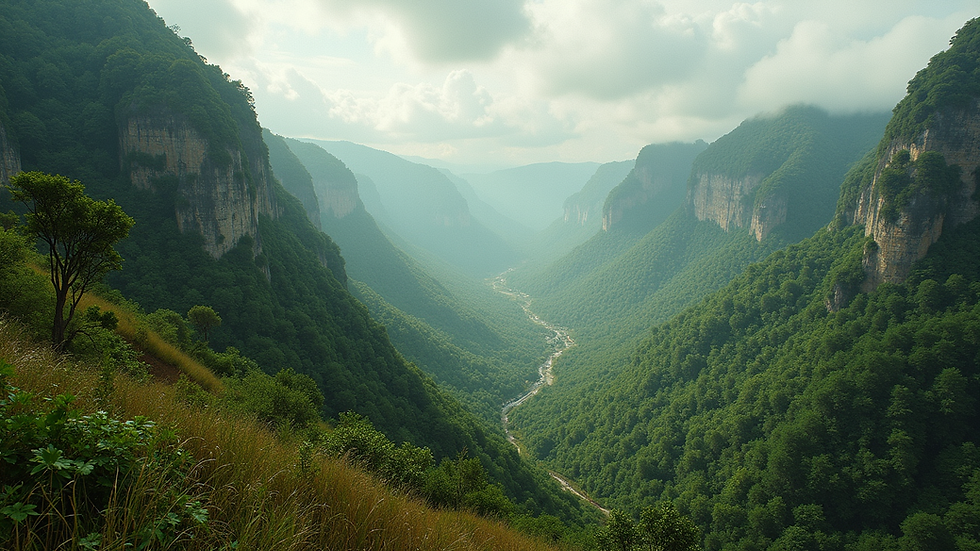
Landscapes: Vast deserts, lush forests, and ancient ruins were designed to provide diverse settings.
Architecture: Buildings and structures were inspired by historical civilizations, adding authenticity to the game world.
Color Palettes: The choice of colors played a significant role in setting the mood and tone of different areas.
Character Design
Characters are the heart of any game. The design team focused on creating unique and relatable characters that players would connect with.
Character Development Process:
Concept Art: Initial sketches helped visualize character traits and personalities.
Modeling: 3D models were created to give characters depth and realism.
Animation: The animation team worked on fluid movements to enhance gameplay experience.
Game Mechanics and Gameplay
With the world and characters designed, the focus shifted to gameplay mechanics. This phase is where the game truly comes to life.
Core Mechanics
The development team identified core mechanics that would define the gameplay experience. These mechanics included combat systems, puzzle-solving elements, and exploration features.
Examples of Game Mechanics:
Combat System: A dynamic combat system that allows players to engage in strategic battles.
Puzzle Elements: Challenges that require players to think critically and solve problems.
Exploration: Open-world elements that encourage players to discover hidden secrets.
User Experience Testing
To ensure a smooth gameplay experience, the team conducted extensive user testing. Feedback from testers was invaluable in identifying areas for improvement.
Testing Insights:
Gameplay Flow: Observing how players interacted with the game helped refine mechanics.
Difficulty Levels: Balancing difficulty to cater to both casual and hardcore gamers was essential.
User Interface: A clean and intuitive interface enhances player engagement.
Sound Design and Music
Sound design is often an overlooked aspect of game development, but it plays a crucial role in creating an immersive experience.
Sound Effects
The sound design team worked on creating realistic sound effects that enhance gameplay. From the rustling of leaves to the clash of swords, every sound was meticulously crafted.
Music Composition
Music sets the tone for the game. The team collaborated with composers to create a soundtrack that complements the gameplay and evokes emotions.
Key Considerations for Sound Design:
Atmosphere: Sound effects and music should align with the game's theme.
Immersion: High-quality audio enhances the player's experience and connection to the game world.
Marketing and Community Engagement
As the game nears completion, the marketing team begins to strategize on how to engage with the community and promote the game.
Building a Community
Mesopotamia Studio values its community of gamers. They actively engage with fans through social media, forums, and events.
Community Engagement Strategies:
Beta Testing: Inviting players to test the game before release fosters excitement and feedback.
Developer Updates: Regular updates keep the community informed about progress and features.
Fan Art Contests: Encouraging fans to create art based on the game builds a sense of belonging.
Marketing Campaigns
The marketing team develops campaigns that highlight the game's unique features and story.
Effective Marketing Tactics:
Trailers: Creating captivating trailers that showcase gameplay and story elements.
Influencer Partnerships: Collaborating with gaming influencers to reach a wider audience.
Press Releases: Sharing news with gaming publications to generate buzz.
The Final Stages of Development
As the release date approaches, the team enters the final stages of development. This phase involves polishing the game and fixing any remaining bugs.
Quality Assurance
Quality assurance is critical to ensure a smooth launch. The QA team conducts thorough testing to identify and resolve issues.
QA Process:
Bug Tracking: Keeping a detailed log of bugs and issues for resolution.
Final Playtesting: Conducting playtests to ensure gameplay is enjoyable and free of glitches.
Launch Preparations
With everything in place, the team prepares for the launch. This includes finalizing marketing materials and coordinating with distribution platforms.
Launch Checklist:
Final Build: Ensuring the final version of the game is ready for release.
Marketing Materials: Preparing promotional content for launch day.
Community Engagement: Planning events and activities to celebrate the launch with fans.
Conclusion
The journey of creating a game at Mesopotamia Studio is a complex yet rewarding process. From conceptualization to launch, every step is filled with creativity, collaboration, and dedication. As the team gears up for the release of their latest game, they are excited to share their hard work with the world.
The next time you play a game, remember the countless hours and passion that went into its creation. Whether you are a gamer or an aspiring developer, take inspiration from this behind-the-scenes look at the game development process. Embrace your creativity, collaborate with others, and never stop exploring new ideas.

Comments